

Author

admin

Browsing

After 2025’s volatile end, 2026 is poised to be a watershed moment for the cryptocurrency sector, marking a transition from a speculative asset class to essential global financial infrastructure.

Further regulatory clarity, artificial intelligence (AI) integration, real-world asset (RWA) tokenization and sustained institutional inflows could propel DeFi and crypto markets in 2026. According to experts, this is no longer a conversation about crypto versus TradFi; it’s about a hybrid financial system where digital assets are simply better tools.

Crypto market maturity and resilience

According to Elkaleh, Bitcoin’s resilience during its recent pullback, which brought a 37 percent drawdown from its October all-time high, was telling. While such severity was surprising, he observed that long-term holders and institutions continued to accumulate rather than unwind exposure, which he sees as an indicator of health.

“Q4 was defined by a major leverage reset, with BTC’s sharp pullback forcing a broader reassessment of risk,” he said.

At the time of this writing, analysts were split on where Bitcoin could go next. A further crash risk lingers if the US Federal Reserve delays interest rate cuts; however, a post-purge rally to US$135,000 to US$150,000 is in sight mid-year if institutions return, exchange-traded fund (ETF) flows flip positive and futures premiums stabilize above 5 percent.

As Bitcoin dropped, Elkaleh observed other segments of the market tied to practical use cases and diversification strategies — such as privacy assets, decentralized AI and stablecoin ecosystems — weather the storm.

“The market (has shown) growing maturity: capital and developer attention shifted toward utility-driven sectors such as tokenization, stablecoins and real-world integrations.”

Tokenization: The on-chain first institutional default

Mersch sees tokenization accelerating in 2026, eventually becoming the default for new institutional financial products.

He sees the foundation of this shift being built, with tokenized treasuries and money-market funds serving as a core yield sleeve for institutional investors who demand liquidity, standardized reporting and programmable settlement.

“If current growth holds, tokenized assets could be a multi-trillion dollar market by 2030, with government bonds and cash-like instruments as the anchor,” he said. “Over the next five years, the key shift is likely that new institutional products are designed as on-chain first, and only secondarily wrapped in legacy wrappers.”

He anticipates that stablecoins will be solidified as the liquidity backbone for a growing tokenized market, acting as the new cash layer. The most likely end state, according to Mersch, will be a hybrid digital cash stack, where bank-issued stablecoins, private stablecoins and central bank digital currenciesco-exist and interoperate.

Mersch predicts that tokenized real estate and private credit will now start to see expansion.

For real estate, tokenization converts a traditionally illiquid market into tradable, divisible assets, lowering the barrier to entry for global investors and providing recurring revenue streams.

Rupena, whose company, Milo, pioneered the crypto-backed mortgage, asserts that lenders will be expected to recognize digital assets as a core part of a client’s real balance sheet, just like cash or securities.

Elkaleh also expects to see strong expansion in RWA tokenization in 2026, alongside stablecoin-based payouts and small-business payment rails. “The most accelerated growth will occur in emerging markets, where mobile-first users turn to crypto as a practical financial alternative,” he wrote in an email.

“The rise of RWA markets, L2 scalability and more accessible DeFi will allow onchain credit and savings to scale meaningfully. Combined with steady institutional inflows, these economies will become the strongest demand engines of 2026, driving both user growth and real economic activity onchain.”

DeFi: An institutional derivatives and credit layer

The final pillar of the 2026 crypto outlook is the maturation of DeFi. Mersch asserted that DeFi is poised to emerge as a compliance-ready core platform for credit and risk management in 2026.

Real-world structural resilience supports Mersch’s forecast.

Rupena noted that market ups and downs are expected in the digital asset ecosystem, and that conservative LTVs, real-time monitoring and clear margining frameworks are designed to cope with volatility.

“Lower forced liquidation activity, even during big market moves, is a very healthy signal,” he explained, adding that customers are purposely keeping collateral cushions so they can stay calm during market swings.

This focus on prudence and durability validates the market’s readiness for institutional-grade credit and risk products.

“If successful, this creates a liquid, 24/7 derivatives layer that sits on top of both tokenized and traditional markets,” Mersch said. “By 2026 and beyond, the most interesting innovation may not be crypto versus TradFi, but portfolio and product designs that blend tokenized assets, stablecoin liquidity and DeFi-based synthetic exposure into a single stack.”

This institutional leap is fundamentally enabled by regulatory clarity.

“You can already see this through partnerships like Coinbase (NASDAQ:COIN) with Circle Internet Group (NYSE:CRCL) and Morpho (TSE:3653), where yield is embedded at the platform level without requiring users to interact directly with on-chain protocols. Regulation will accelerate that model,’ he added.

Elkaleh noted that clearer rules will allow users to adopt on-chain tools for cross-border payments, tokenized savings and AI-driven bill pay with the same confidence they have in regulated fintech apps. He expects the most transformational impact will come from next-generation L2 scalability paired with AI-agent execution.

“These shifts will bring down transaction costs, compress settlement times, and enable autonomous payments, subscriptions and cross-chain operations,” the expert explained.

“We also expect prediction-market aggregation to emerge as a breakout consumer interface and RWA perpetuals to bring macro assets, including commodities, credit and inflation onchain through synthetic markets. These developments collectively move crypto into a more comprehensive, high-velocity financial system.”

Upcoming crypto market catalysts

The pivot to a hybrid financial system will be driven by several concurrent catalysts.

The US Market Structure Bill is targeted for a Senate floor vote in early 2026, aiming to create the first federal framework for digital assets. North of the border, Canada’s Stablecoin Act, which provides C$10 million for Bank of Canada oversight starting in 2026, signals official endorsement of the digital cash layer.

Globally, the Basel Committee on Banking Supervision is set to implement new capital standards for banks’ crypto exposures, crucial for encouraging institutional momentum, by January 1, 2026.

The technological engine supporting this adoption is fueled by scalability and intelligence.

On the blockchain side, Ethereum’s aggressive roadmap, including the Glamsterdam upgrade targeted for 2026, continues to refine Layer-2 (L2) systems. This focus on L2 efficiency, combined with the integration of AI agent execution, is key for supporting the millions of transactions needed for a comprehensive, high-velocity financial system.

Investor takeaway

In 2026, the crypto market is set to deliver meaningful gains and stable, sustained growth as this new, highly efficient, and globally interoperable financial system moves from the laboratory into production scale.

Securities Disclosure: I, Meagen Seatter, hold no direct investment interest in any company mentioned in this article.


This post appeared first on investingnews.com

Questcorp Mining Inc. (CSE: QQQ,OTC:QQCMF) (OTCQB: QQCMF) (FSE: D910) (the ‘Company’ or ‘Questcorp’) announces that it will offer (the ‘Offering’) up to 5,769,231 flow-through units (each, an ‘FT Unit’), at a price of $0.13 per FT Unit, for gross proceeds of up to $750,000, by way of non-brokered private placement. Each FT Unit will consist of one common share of the Company, issued as a flow-through share within the meaning of the Income Tax Act (Canada), and one-half-of-one share purchase warrant (each whole warrant, a ‘Warrant’). Each Warrant will entitle the holder to purchase an additional common share of the Company at a price of $0.20 for a period of twenty-four months.

The Company anticipates the net proceeds raised from the Offering will be used to conduct exploration of the Company’s North Island Copper Property, located on Vancouver Island, British Columbia.

The Company may pay finders’ fees to eligible parties who have assisted in introducing subscribers to the Offering. All securities issued in connection with the Offering will be subject to restrictions on resale for a period of four-months-and-one-day in accordance with applicable securities laws. Completion of the Offering remains subject to receipt of regulatory approval.

Final Tranche Closing

The Company also announces that it has closed the final tranche of its previously announced non-brokered private placement and has issued a further 1,266,667 units (each, an ‘NFT Unit‘), at a price of $0.15 per NFT Unit, for gross proceeds of $190,000. Each NFT Unit consists of one common share, and one-half of one Warrant.

No finders’ fees were paid in connection with closing of the final tranche. All securities issued in the final tranche are subject to restrictions on resale until April 9, 2026 in accordance with applicable securities laws.

About Questcorp Mining Inc.

Questcorp Mining Inc. is engaged in the business of the acquisition and exploration of mineral properties in North America, with the objective of locating and developing economic precious and base metals properties of merit. The Company holds an option to acquire an undivided 100% interest in and to mineral claims totaling 1,168.09 hectares comprising the North Island Copper Property, on Vancouver Island, British Columbia, subject to a royalty obligation. The Company also holds an option to acquire an undivided 100% interest in and to mineral claims totaling 2,520.2 hectares comprising the La Union Project located in Sonora, Mexico, subject to a royalty obligation.

Contact Information

Questcorp Mining Corp.

Saf Dhillon, President & CEO

Email: saf@questcorpmining.ca
Telephone: (604) 484-3031

This news release includes certain ‘forward-looking statements’ under applicable Canadian securities legislation. Forward-looking statements are necessarily based upon a number of estimates and assumptions that, while considered reasonable, are subject to known and unknown risks, uncertainties, and other factors which may cause the actual results and future events to differ materially from those expressed or implied by such forward-looking statements. Such factors include, but are not limited to: general business, economic, competitive, political and social uncertainties, uncertain capital markets; and delay or failure to receive board or regulatory approvals. There can be no assurance that the geophysical surveys will be completed as contemplated or at all and that such statements will prove to be accurate, as actual results and future events could differ materially from those anticipated in such statements. Accordingly, readers should not place undue reliance on forward-looking statements. The Company disclaims any intention or obligation to update or revise any forward-looking statements, whether as a result of new information, future events or otherwise, except as required by law.

To view the source version of this press release, please visit https://www.newsfilecorp.com/release/277245

News Provided by Newsfile via QuoteMedia

This post appeared first on investingnews.com

NioCorp Developments (NASDAQ:NB) has completed the US$8.4 million acquisition of the manufacturing assets and intellectual property of Massachusetts-based FEA Materials.

NioCorp expects the move to position it as a domestic producer of aluminum-scandium (Al-Sc) master alloy amid growing demand for the material in defense and commercial markets.

The all-cash purchase complements NioCorp’s Elk Creek critical minerals project in Nebraska, where it aims to produce scandium oxide alongside niobium, titanium and potentially rare earths once fully financed and operational.

FEA’s proprietary process converts scandium oxide directly into Al-Sc master alloy, bypassing intermediate metal production. NioCorp is also assessing the feasibility of producing finished Al-Sc alloy parts via casting, forging and machining for original equipment manufacturers in the US.

“This strategic acquisition positions NioCorp to potentially build America’s first vertically integrated scandium supply chain from mine to finished alloy parts,” NioCorp CEO Mark A. Smith said in a press release.

Eugene Prahin, CEO of FEA, praised NioCorp’s vertically integrated approach, adding that the company’s alloying technology “will be key to growing scandium-based structural alloys in the years to come.”

The FEA acquisition follows a US$10 million Pentagon Title III award to NioCorp’s subsidiary Elk Creek Resources. Announced in August, it is geared at supporting scandium oxide production.

NioCorp is also collaborating with Lockheed Martin (NYSE:LMT) on aerospace-grade Al-Sc components.

“Working jointly with the Pentagon, NioCorp is committed to insulating the US from market manipulation by China, which has historically constrained scandium-based technologies,’ said Smith.

With the latest acquisition and the government funding, NioCorp envision building a complete US mine-to-market supply chain for scandium, spanning extraction, alloy production and finished parts manufacturing.

Securities Disclosure: I, Georgia Williams, hold no direct investment interest in any company mentioned in this article.

This post appeared first on investingnews.com

Silver is known as the most versatile precious metal, and its end uses range from silverware to medicine, as well as industrial and technological applications, which account for well over half of annual global demand.

In 2024, global physical silver demand reached 1.16 billion ounces, shy of the record of 1.28 billion ounces set in 2022, as per the Silver Institute’s latest World Silver Survey released in April 2025.

Industrial demand is on an upward trend from the push toward renewable energy — in particular, silver demand should benefit from the expansion of the solar energy sector, electric vehicles and the growing use of AI and data centers. The metal is a great conductor of both heat and electricity, making it perfect for use in solar panels.

In 2025, the Silver Institute expects global demand for silver to decline by 1 percent to 1.15 billion ounces, but remain at historically high levels. With all of that in mind, here’s a look at four factors driving silver demand.

1. Industrial fabrication

Expected demand in 2025: 677.4 million ounces

Silver is the best electrical and thermal conductor of all the metals, so it’s no surprise that it’s used in industrial fabrication. Industrial silver demand has seen steady growth in recent years. Coming in at just 491 million ounces in 2016, industrial demand rose to 592.3 million ounces in 2022, 657.1 million ounces in 2023 and a record 680.5 million ounces in 2024.

For 2025, the Silver Institute believes industrial demand will see a slight regression of 0.5 percent to 677.4 million ounces.

Here’s a brief rundown of the main industrial uses driving silver demand:

Electronics — In electronics, industrial silver is used mainly in multi-layer ceramic capacitors, membrane switches, silvered film, electrically heated automobile windshields, conductive adhesives and the preparation of thick-film pastes.

Electronics is expected to remain an important driver for silver going forward, as per the Silver Institute, which expects overall industrial silver consumption to reach 456.6 million ounces in 2025. Photovoltaics form the largest portion of electronic demand, totaling 197.6 million tons in 2024.

Using silver as conductive ink, photovoltaic cells transform sunlight into electricity. These cells are combined to form solar panels. The use of silver in the fabrication of photovoltaic cells, also known as solar cells, is seen as an area of rapid growth in the short to medium term. In fact, SolarPower Europe reported that total installations reached 2.2 terawatts by the end of 2024, and are expected to more than triple to more than 7 terawatts by 2030.

Automotive industry — Every electrical action in a modern car is activated with silver-coated contacts. Basic functions such as starting the engine, opening power windows, adjusting power seats and closing power trunks are all activated using a silver membrane switch. Furthermore, in January 2021, the Silver Institute reported that, depending on the model, battery electric vehicles contain between 25 and 50 grams of silver, while hybrid vehicles use 18 to 34 grams of silver. That’s compared to 15 to 28 grams of silver in a light internal combustion engine vehicle.

The Silver Institute has projected that automotive demand for silver could reach 90 million ounces by 2025. The association states that silver demand from the car industry will be driven by infrastructure investment, broader decarbonization efforts and the expansion of charging stations.

Brazing and soldering — Adding silver to the process of soldering or brazing helps produce smooth, leak-tight and corrosion-resistant joints when combining metal parts. In addition, silver-brazing alloys are used widely in everything from air conditioning and refrigeration to electric power distribution. The Silver Institute predicts demand from this segment to total 52.9 million ounces in 2025.

2. Jewelry

Expected demand in 2025: 196.2 million ounces

Jewelry is often what laypeople think about when they consider silver demand. And for good reason — few materials are better suited for jewelry than silver. Lustrous but resilient, silver responds well to sculpting, requires minimal care and lasts a lifetime.

While silver and gold possess similar working qualities, the white metal enjoys greater reflectivity and can achieve a brilliant polish. A vast amount of silver supply from mine production gets turned into a form of jewelry. The segment grew moderately by 3 percent in 2024, rising to 208.7 million ounces, but the Silver Institute is predicting a significant reversal in 2025, with a 6 percent decline to 196.2 million ounces.

3. Silver bullion, coins and bars

Expected demand in 2025: 204.4 million ounces

Another source of silver demand is for silver as an investment in the form of silver coins, bars and rounds. This category includes the silver used to fabricate the bullion, as well as small bar purchases by retail investors, according to the Silver Institute.

Silver coins have a long history. Minted silver coins were first used in the Eastern Mediterranean region in 550 BCE, and by 269 BCE the Roman Empire had adopted silver as well. Silver was the main circulating currency until the 19th century, when it was phased out of regular coinage.

While silver is not used in many circulating coins today, mints in many countries still create high-purity bullion coins and bars for investors.

Physical silver investment demand reached a record high of 338.3 million ounces in 2022, but declined considerably to 244.3 million ounces in 2023, before falling another 22 percent to 190.9 million ounces in 2024.

However, with rising uncertainty in global financial markets, the institute is predicting 7 percent growth in 2025 to 204.4 million ounces.

Silver exchange-traded products (ETPs) and silver ETFs purchase significant amounts of physical silver. Silver ETPs have experienced high volatility over the last five years, with demand peaking in 2020 with net inflows of 331.1 million ounces of silver, which fell to to 64.9 million ounces in 2021. Following the pandemic, ETPs experienced heavy outflows with investors selling off 117.4 million ounces in 2022 and 37.6 million ounces in 2023.

In 2024, as uncertainty began to seep into global financial markets, investors once again returned to ETPs, pushing demand to 61.6 million ounces of silver flowing into the products.

The Silver Institute expects demand to grow by 14 percent in 2025 to 70 million ounces, attributing these inflows to cuts to the Federal Funds rate, concerns over US debt load, and instability in the Middle East.

4. Silverware

Expected demand in 2025: 46 million ounces

Sterling silver has been the standard for silver holloware and silver flatware since the 14th century. Silver cutlery and other decor lasts for generations as it resists tarnish and is a traditional decoration in homes around the world. Base metal copper is mixed with silver to strengthen it for use as cutlery, bowls and decorative items.

Demand for the metal from the silverware industry reached 73.5 million ounces in 2022 but has declined since then to 54.2 million ounces in 2024. The Silver Institute expects the market to shed another 15 percent in 2025 to 46 million ounces.

Securities Disclosure: I, Melissa Pistilli, hold no direct investment interest in any company mentioned in this article.

This post appeared first on investingnews.com

Here’s a quick recap of the crypto landscape for Wednesday (December 3) as of 9:00 a.m. UTC.

Get the latest insights on Bitcoin, Ether and altcoins, along with a round-up of key cryptocurrency market news.

Bitcoin and Ether price update

Bitcoin (BTC) was priced at US$92,758.95, up by 4.1 percent over 24 hours.

Bitcoin price performance, December 3, 2025.

Chart via TradingView.

After Bitcoin stared the week with its largest single-day decline in a month, it rallied about 6.6 percent in 24 hours to reclaim US$93,000. This now marks Bitcoin’s highest intraday level in more than two weeks.

Despite the cryptocurrency’s rebound, analysts are still urging caution and advising investors to await clearer macro signals before fully re-entering higher-risk assets.

Ether (ETH) also regained ground and is currently priced at US$3,051.34, up 7.1 percent over 24 hours.

Altcoin price update

  • XRP (XRP) was priced at US$2.19, an increase of 4.6 percent over 24 hours.
  • Solana (SOL) was trading at US$142.17, up by 6.6 percent over 24 hours.

Today’s crypto news to know

Strategy faces possible removal from MSCI indexes

Michael Saylor’s Strategy (NASDAQ:MSTR) is in discussions with index provider MSCI as the company thinks about removing Strategy from major stock indexes, according to Reuters.

MSCI is considering cutting companies whose business model is to buy crypto. Strategy currently holds about 650,000 BTC and has relied on new debt and equity issuance to add to its holdings.

JPMorgan Chase (NYSE:JPM) estimates a removal could trigger up to US$8.8 billion in outflows if other index providers follow suit. Saylor said the company is participating in MSCI’s review process, but questioned the scale of possible selling projected by JPMorgan. A verdict is expected by January 15 of next year.

Sony partner launches stablecoin for Soneium

Startale Group has launched USDSC, a stablecoin pegged to the US dollar that is designed to serve as the default settlement currency on Sony Group’s (NYSE:SONY,TSE:6758) Soneium blockchain.

According to a Decrypt report, the launch includes a new rewards program called STAR Points that is geared at encouraging user activity across payments, liquidity supply and app interaction. Soneium went live earlier this year following a test phase that drew 14 million users and processed 50 million transactions.

Startale CEO Sota Watanabe said USDSC aims to support payments and yield generation across the network’s creator-focused ecosystem. Stablecoin infrastructure firm M0 is providing backend support for issuance and liquidity.

A waitlist for the Startale app is open to users seeking early access to USDSC features and rewards.

SEC blocks rollout of high-leverage ETFs

The US Securities and Exchange Commission (SEC) has halted the approval process for multiple ultra-leveraged exchange-traded funds (ETFs), citing concerns about investor risk.

Warning letters were sent to nine issuers, including Direxion, ProShares and Tidal, affecting products designed to offer more than 2x exposure to equities, commodities and cryptocurrencies.

The SEC said the proposals exceed regulatory limits on allowable leverage and rely on benchmark definitions that may fail to reflect true market volatility. Some of the planned funds target exposure to highly volatile assets. No 3x or 5x single-stock ETFs currently exist in the US due to existing restrictions.

Leveraged ETF trading has surged since 2020, with total assets rising to around US$162 billion.

Securities Disclosure: I, Giann Liguid, hold no direct investment interest in any company mentioned in this article.
This post appeared first on investingnews.com

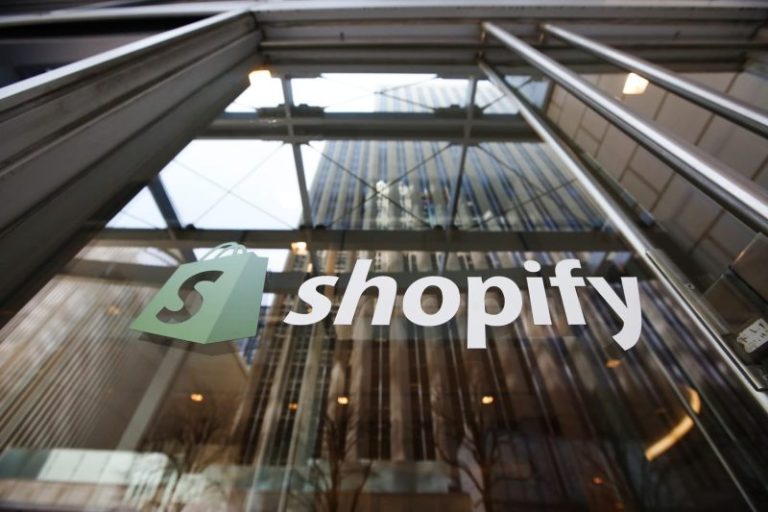
Outages on Shopify’s e-commerce platform have been resolved, the company said late Monday, bringing to an end a daylong glitch on the annual ‘Cyber Monday’ shopping day.

Some merchants that use Shopify’s service to sell goods online said they experienced issues with checkouts through the company’s point-of-sale system.

Businesses that run on Shopify also had trouble logging into their administrative portals.

In a statement, Shopify said: ‘We had a system degradation that has now been mitigated.’

Throughout the day, business owners posted angry messages directed at the company on X, where Shopify President Harvey Finkelstein had posted ‘HAPPY CYBER MONDAY! Let’s finish strong!’ earlier in the day, with an emoji of a flexed arm.

One business, Costack Spices, based in London, replied: ‘How??? [We] cannot fulfill orders or log on,’ with three red-faced emojis. In a follow-up, the company posted, ‘This is unbelievable.’

Another user wrote, ‘@ShopifySupport I haven’t been able to access it for the last couple hours.’

Shopify replied to most users on X with the same message: ‘We are aware of an issue with Admins impacting selected stores, and are working to resolve it.’

In 2024, merchants using Shopify services recorded $11.5 billion in sales from Black Friday through Cyber Monday, the company said, with more than 76 million customers buying from businesses powered by the platform.

Shopify provides website design tools, online checkout services and digital advertising products to businesses of all sizes. The company says that millions of merchants use its services.

While Shopify’s share of Cyber Monday sales may be limited, smaller businesses that rely on the company to process their transactions may have missed out on crucial sales at the start of the all-important holiday season.

Total Cyber Monday sales are expected to be more than $53 billion, according to Salesforce.

Shopify stock ended the trading day down 5.9%.

This post appeared first on NBC NEWS

(TheNewswire)

Additional Financing Closes

NOT FOR DISTRIBUTION TO UNITED STATES NEWS WIRE SERVICES OR FOR DISSEMINATION IN THE UNITED STATES

Vancouver, British Columbia TheNewswire – December 3rd, 2025 Prismo Metals Inc. (‘ Prismo ‘ or the ‘ Company ‘) (CSE: PRIZ,OTC:PMOMF) (OTCQB: PMOMF) is pleased to announce it has received assay results for samples recently taken at the Silver King Project from two exploration targets located on the east side of the property, namely the Black Diamond replacement target and the newly named Crown porphyry intrusion target (Fig. 1).

Figure 1 .  Map showing the location of the Black Diamond replacement and Crown porphyry intrusion exploration targets at the Silver King project.  Claim boundaries are shown in yellow.

The assays show high grade copper mineralization present at Black Diamond (Fig 1). The rock chip samples yielded generally high copper assays with several samples analyzing in excess of 1 % Cu and two samples in excess of 5 % Cu (Table 1, Fig. 2).  Gold is generally anomalous for the Black Diamond samples.

Rock chip samples from the Crown porphyry intrusion generally exhibited lead and zinc values with elevated silver and low copper and gold (Table 2).  Importantly, however, two samples of vein material from the stockwork target yielded high gold values of 4 and 5 g/t (Fig. 2). The mineralization in the stockwork veining at Crown provides impetus to complete additional exploration in the area.

Table 1. Assay results for samples from the Black Diamond replacement target.

Sample

Location

Easting

Northing

Width m

Au g/t

Ag g/t

Cu %

Pb %

Zn %

544572

Black Diamond

492601

3687624

1.5

0.007

0.30

0.18

0.009

0.02

544573

Black Diamond

492601

3687625

1.5

0.052

0.34

0.29

0.013

0.03

544574

Black Diamond

492603

3687623

1.5

0.008

0.47

0.12

0.009

0.02

544575

Historic adit 3

492642

3687624

0.5

1.08

0.15

5.56

0.013

0.03

544576

Historic adit 3

492641

3687625

0.5

0.045

1.08

0.44

0.022

0.02

544577

Historic adit 3

492643

3687621

1.0

0.012

0.76

0.07

0.014

0.02

544578

Historic adit 1

492670

3687639

0.8

0.285

12.43

6.02

0.01

544581

Historic adit 1

492672

3687640

1.1

0.125

10.5

1.14

0.011

0.02

544582

Historic adit 1

492667

3687640

1.4

0.285

6.66

2.63

0.006

0.02

544583

Black Diamond

492678

3687626

0.5

0.034

2.18

0.15

0.009

0.02

544584

Historic adit 2

492670

3687625

0.5

0.35

7.99

1.24

0.006

0.01

544585

Historic adit 2

492679

3687628

0.5

0.125

8.87

0.45

0.013

0.02

544586

Historic adit 2

492672

3687638

1.0

0.053

8.97

1.42

0.013

0.02

Table 2 . Assay results for samples from the Crown porphyry intrusive target.

Sample

Location

Easting

Northing

Width m

Au g/t

Ag g/t

Cu %

Pb %

Zn %

544566

Crown

492633

3687859

1.5

0.008

3.7

0.005

0.03

0.04

544567

Crown

492805

3687910

1.3

0.011

1.3

0.006

0.01

544568

Crown

492803

3687910

2.0

0.006

1.28

0.008

0.03

0.03

544569

Crown

492836

3687898

1.0

0.012

0.25

0.008

544570

Crown

492499

3687669

1.0

0.011

2.31

0.035

0.07

0.09

544571

Crown

492534

3687657

0.5

0.016

2.65

0.002

0.09

0.03

544588

Crown

492737

3687901

2.5

0.015

2.76

0.005

0.01

0.01

544589

Crown

492746

3687884

1.0

0.022

4.21

0.010

0.03

0.02

544590

Crown

492763

3687867

0.5

0.07

11.26

0.013

0.05

0.11

544591

Crown

492799

3687851

1.0

5.19

46.44

0.048

0.21

0.06

544592

Crown

492793

3687823

1.0

4.06

13.97

0.021

0.10

0.07

544593

Crown

492701

3687858

1.5

0.027

1.0

0.011

0.03

0.04


Click Image To View Full Size

Figure 2. Copper assays and high gold values for samples mentioned from the Black Diamond
and Crown areas at Silver King.

IP Survey Update

The Company also has received the report for initial phase of its IP survey at Silver King.  The IP survey consisted of a gradient array to test for resistivity and chargeability anomalies at a depth of about 300m below the surface.

The IP survey shows low resistivity lows associated with the Black Diamond replacement body as well as the stratigraphically controlled Cu bearing replacements that extend toward the nearby Magma mine (Fig. 3).  A second nearly east-west trending resistivity low occurs in the central portion of the claim block and coincides with a hypothesized structure that may control the Black Diamond body and also may be important in the formation of the Silver King deposit.  This type of structure is similar to the Magma vein, the main mineralized structure at the high-grade Magma mine, and is a prime exploration target.

The IP survey also shows several chargeability anomalies that are presumably associated with disseminated sulfides, largely pyrite (Fig. 4).  The stockwork intrusion mentioned previously is associated with one of these chargeability anomalies and provides a second important exploration target with characteristics similar to mineralization at high structural levels in porphyry systems.  A second similar chargeability anomaly occurs nearby to the southwest in an area overlain by a mostly barren quartz diorite intrusive and may represent a similar blind porphyry target.

Based on the results of the initial IP survey, a follow-up pole-dipole survey to further define the anomalies from shallow to deeper levels along section lines is planned to be conducted in December.

Figure 3. IP resistivity map showing exploration targets: yellow line-Silver King glory hole,
magenta line-polymetallic vein, green line-copper vein, red outlines-Black Diamond replacement
body and stratigraphically controlled replacement horizons, black outline-stockwork intrusion.

Figure 4. IP chargeability map showing exploration targets: yellow line-Silver King glory hole,
magenta line-polymetallic vein, green line-copper vein, red outlines-Black Diamond replacement
body and stratigraphically controlled replacement horizons, black outline-stockwork intrusion.

Drilling Update

Alain Lambert, CEO of Prismo commented: ‘The results announced today confirm the vast exploration potential at Silver King. While we look forward to drilling these new targets in the future, our plans remain unchanged. Our immediate priority is to undertake our fully funded drill program, as previously announced. This drill campaign will focus primarily on the historic Silver King mine site and will be for a minimum of about 1,000 meters. The objective is to test the upper half of the steeply dipping pipelike Silver King mineralized body as well as potential mineralization adjacent to the dense stockwork that was the focus of historic mining.’

Mr. Lambert added: ‘We are pleased with the steady progress on the permitting front. The collaboration of Forest Service officials demonstrates a clear commitment to supporting mining activities in Arizona.’

Prismo recently announced that the Forest Service, the federal surface land management entity for Silver King, had determined that the Company’s proposed drill plan meets the regulatory requirements for processing, and that such plan is complete, as described in the regulations at 36 CFR 228.4(c).

The Forest Service will now proceed with the environmental analysis pursuant to 36 CFR 228(a)(5) in conformity with the National Environmental Policy Act (NEPA). This analysis will proceed as a Categorical Exclusion, the lowest level of environment reviews applicable to projects that are not expected to have a significant effect on the environment, such as Silver King.

Financing Update

Prismo also announced that further to its news releases dated October 20, 2025 and November 13, 2025, the Company has proceeded with an upsized second closing of its previously announced non-brokered private placement of units of the Company (‘ Units ‘) at an issue price of $0.10 per Unit (the ‘ Private Placement ‘). The second closing of the Private Placement was increased from 1,250,000 Units to the issuance of 1,650,000 Units for gross proceeds of $165,000 (the ‘ Second Tranche ‘). The Company previously announced a first closing of the Private Placement on November 12, 2025 for aggregate gross proceeds of $1,745,000. Due to strong investor demand, the Company has now raised aggregate gross proceeds of $1,910,000.

Each Unit consists of one common share in the capital of the Company (a ‘ Share ‘) and one common share purchase warrant of the Company (a ‘ Warrant ‘). Each Warrant entitles the holder to purchase one Share for a period of thirty-six (36) months from the date of issue at an exercise price of $0.175.

The Company intends to use the net proceeds of the Private Placement primarily for drilling at its Silver King project and for general corporate purposes. The Company expects to accept additional subscriptions of units in the coming days for an approximate amount of $125,000.

The Units issued pursuant to the Second Tranche are subject to a four-month hold period from the closing date of the Second Tranche under applicable Canadian securities laws, in addition to such other restrictions as may apply under applicable securities laws of jurisdictions outside Canada.

In connection with the Second Tranche, the Company issued an aggregate of 68,000 finder’s warrants (the ‘Finder’s Warrants’ ) and paid finder’s commissions of $6,800 to a certain qualified finder. Each Finder’s Warrant is exercisable for a period of twenty-four (24) months from the date of issuance to purchase one Share at a price of $0.10. In addition, the Company paid a cash fee of $2,000 to a financial advisor.

The securities being issued in connection with the Second Tranche have not been and will not be registered under the U.S. Securities Act and may not be offered or sold in the United States, or to, or for the account or benefit of, U.S. persons or persons in the United States, absent registration or an applicable exemption from the registration requirements. This press release shall not constitute an offer to sell or the solicitation of an offer to buy nor shall there be any sale of the securities in any State in which such offer, solicitation or sale would be unlawful.

QA/QC

Samples were analyzed by SGS, an internationally recognized analytical lab, with preparation at the Tempe, Arizona facility and analyses at the Burnaby laboratory.  Prismo inserts controls samples consisting of a standard pulps and a coarse blanks in the sample stream, and the lab also inserts control samples.

Qualified Person

Dr. Craig Gibson, PhD., CPG., a Qualified Person as defined by NI-43-01 regulations and Chief Exploration Officer and a director of the Company, has reviewed and approved the technical disclosures in this news release.

About Prismo Metals Inc.

Prismo (CSE: PRIZ,OTC:PMOMF) is a mining exploration company focused on advancing its Silver King, Ripsey and Hot Breccia projects in Arizona and its Palos Verdes silver project in Mexico.

Please follow @PrismoMetals on Twitter , Facebook , LinkedIn , Instagram , and YouTube

Prismo Metals Inc.

1100 – 1111 Melville St., Vancouver, British Columbia V6E 3V6 Phone: (416) 361-0737

Contact:

Alain Lambert, Chief Executive Officer alain.lambert@prismometals.com

Gordon Aldcorn, President gordon.aldcorn@prismometals.com

Neither the Canadian Securities Exchange nor its Market Regulator (as that term is defined in the policies of the Canadian Securities Exchange) accepts responsibility for the adequacy or accuracy of this release.

Cautionary Note Regarding Forward-Looking Information

This release includes certain statements and information that may constitute forward-looking information within the meaning of applicable Canadian securities laws. Forward-looking statements relate to future events or future performance and reflect the expectations or beliefs of management of the Company regarding future events. Generally, forward-looking statements and information can be identified by the use of forward-looking terminology such as intends’ or anticipates’, or variations of such words and phrases or statements that certain actions, events or results may’, could’, should’, would’ or occur’. This information and these statements, referred to herein as ‘forward-looking statements’, are not historical facts, are made as of the date of this news release and include without limitation, statements regarding discussions of future plans, estimates and forecasts and statements as to management’s expectations and intentions with respect to, among other things: the timing, costs and results of drilling at Silver King; and the intended use of any proceeds raised under the Second Tranche.

These forward-looking statements involve numerous risks and uncertainties, and actual results might differ materially from results suggested in any forward-looking statements. These risks and uncertainties include, among other things: the potential inability of the Company to utilize the anticipated proceeds of the Private Placement as anticipated; and those risks set out in the Company’s public disclosure record on SEDAR+ ( www.sedarplus.com ) under the Company’s issuer profile .

In making the forward-looking statements in this news release, the Company has applied several material assumptions, including without limitation, that the Company will use the proceeds of the Second Tranche as currently anticipated and on the timeline currently expected.

Although management of the Company has attempted to identify important factors that could cause actual results to differ materially from those contained in forward-looking statements or forward- looking information, there may be other factors that cause results not to be as anticipated, estimated or intended. There can be no assurance that such statements will prove to be accurate, as actual results and future events could differ materially from those anticipated in such statements. Accordingly, readers should not place undue reliance on forward-looking statements and forward- looking information. Readers are cautioned that reliance on such information may not be appropriate for other purposes. The Company does not undertake to update any forward-looking statement, forward-looking information or financial outlook that are incorporated by reference herein, except in accordance with applicable securities laws. We seek safe harbor.

Copyright (c) 2025 TheNewswire – All rights reserved.

News Provided by TheNewsWire via QuoteMedia

This post appeared first on investingnews.com

As scrutiny continues to intensify across the battery metals supply chain, the conversation around sustainability has moved far beyond carbon footprints.

At this year’s Benchmark Week, Stefan Debruyne, director of external affairs at Sociedad Quimica y Minera de Chile (SQM) (NYSE:SQM), made that point unmistakably clear: sustainability in lithium is as much about people, process and transparency as it is about emissions — and it must be learned, not imposed.

SQM, one of the world’s largest lithium producers, has long been at the center of debates about extraction in Chile’s Salar de Atacama. But for Debruyne, the company’s vision of leadership goes beyond scale.

“We approach leadership in a holistic way,” he said. “It’s not only about having trust to produce and being able to deliver the quality the market needs, but also doing it in a responsible way — dialogue, working closely with stakeholders and civil society. We work very hard on all components.”

Building social license

Much of Debruyne’s role over the past five years has centered on improving engagement with Indigenous communities, many of which have deep historical grievances tied to land, water and the impact of large-scale resource extraction.

“It’s really about being the best neighbor possible,” he said.

But getting there has required fundamental shifts in mindset and method. One of the clearest examples is what Debruyne called the principle of horizontality — a change born from early missteps.

A decade ago, when communities questioned the mine’s hydrological impacts, SQM responded the way many industrial operators would: it sent engineers to explain the technical data.

“You would think that’s a great thing to do,” Debruyne said. “But we learned that’s not the right way, because community members aren’t hydrologists. There’s a vertical difference.”

Instead, SQM now helps communities secure independent experts of their choosing, ensuring conversations happen “on a horizontal level.” This shift has been crucial to rebuilding trust.

Just as important, Debruyne said, is abandoning the western notion of time.

“Communities have a different concept of time. It’s about giving them the time they need — taking information back, returning, iterating. You may think you’re doing things the right way, but there’s always room for improvement.”

Why social investment reduces risk

For Oxfam policy advisor Andrew Bogrand, these types of changes are not just ethical — they’re also practical.

The expert, who also spoke on the panel, noted that since 2010, more than 800 protests or violent incidents have occurred around mine sites globally, including 300 since 2021 alone.

Each one carries real costs: slowdowns, legal expenses, rising insurance premiums — and, as Bogrand pointed out, the hidden cost of executive time diverted to crisis management.

“There is a win-win solution,” he told the Benchmark Week audience. “It’s engaging communities, making sure everyone’s on the same page. Sometimes the solutions are very simple.”

As an example, he pointed to mining projects where warning messages were sent in English to communities that do not speak the language, or where key safety information was delivered over SMS when what residents needed was a physical noticeboard in their own dialect.

Bogrand described companies that “step over a dollar to pick up a penny” — refusing modest community requests, only to face shutdowns costing tens of millions of dollars.

Transparency: A tool, not a threat

Debruyne described transparency as one of SQM’s most effective tools, even if it initially felt counterintuitive.

A few years ago, the company made all hydrological data from its government reporting publicly accessible online.

“I was bracing myself,” he said, expecting to receive dozens of questions about brine levels. But counter to his fears, transparency defused tension rather than fueling it. “I received complete silence,’ Debruyne noted.

It also created a foundation for future collaboration, including joint environmental monitoring programs with communities that had refused to speak with SQM for years.

Moving slow to move fast

The tension between rapid industry growth and slow, iterative sustainability processes often surfaces in investor discussions. For Bogrand, the answer is simple: “You have to move slow to move fast.”

Rushing early stage engagement almost always backfires, he argued, while early investment in community relationships pays dividends across the life of a mine.

Debruyne echoed this idea, noting that patience, consistency and presence — not promises — win trust. In one case, SQM organized a visit for Atacama Indigenous women leaders to electric vehicle and battery plants in Germany and Poland, allowing them to see firsthand where lithium fits in a finished product.

One participant, surprised that the metal formed only a thin coating on a cathode, admitted she had imagined an “Avatar-like” scenario where mines destroyed massive volumes of land for each battery.

“Because they don’t have visibility on the value chain, they make interpretations, which is human,” Debruyne told listeners. “Dialogue is so important.”

Both Debruyne and Bogrand agree that the lithium supply chain cannot scale without social acceptance, credible transparency and deep engagement with affected communities.

As Debruyne noted, “Ultimately, it’s about people.”

Securities Disclosure: I, Georgia Williams, hold no direct investment interest in any company mentioned in this article.

This post appeared first on investingnews.com

PARIS — Airbus fleets were returning toward normal operations on Monday after the European plane maker pushed through abrupt software changes faster than expected, as it wrestled with safety headlines long focused on rival Boeing.

Dozens of airlines from Asia to the United States said they had carried out a snap software retrofit ordered by Airbus, and mandated by global regulators, after a vulnerability to solar flares emerged in a recent mid-air incident on a JetBlue A320.

Airbus said on Monday that the vast majority of around 6,000 of its A320-family fleet affected by the safety alert had been modified, with fewer than 100 jets still requiring work.

JetBlue Airbus A320 planes at LaGuardia Airport in New York City.Nicolas Economou / NurPhoto via Getty Images file

But some require a longer process and Colombia’s Avianca continued to halt bookings for dates until December 8.

Sources familiar with the matter said the unprecedented decision to recall about half the A320-family fleet was taken shortly after the possible but unproven link to a drop in altitude on the JetBlue jet emerged late last week.

Shares in Airbus were down 2.1% in early trading in Paris.

Following talks with regulators, Airbus issued its 8-page alert to hundreds of operators on Friday, effectively ordering a temporary grounding by ordering the repair before next flight.

“The thing hit us about 9 p.m. [Jeddah time] and I was back in here about 9:30. I was actually quite surprised how quickly we got through it: there are always complexities,” said Steven Greenway, CEO of Saudi budget carrier Flyadeal.

The instruction was seen as the broadest emergency recall in the company’s history and raised immediate concerns of travel disruption particularly during the busy U.S. Thanksgiving weekend.

The sweeping warning exposed the fact that Airbus does not have full real-time awareness of which software version is used given reporting lags, industry sources said.

At first airlines struggled to gauge the impact since the blanket alert lacked affected jets’ serial numbers. A Finnair passenger said a flight was delayed on the tarmac for checks.

Over 24 hours, engineers zeroed in on individual jets.

Several airlines revised down estimates of the number of jets impacted and time needed for the work, which Airbus initially pegged at three hours per plane.

“It has come down a lot,” an industry source said on Sunday, referring to the overall number of aircraft affected.

The fix involved reverting to an earlier version of software that handles the nose angle. It involves uploading the previous version via a cable from a device called a data loader, which is carried into the cockpit to prevent cyberattacks.

At least one major airline faced delays because it lacked enough data loaders to handle dozens of jets in such a short time, according to an executive speaking privately.

UK’s easyJet and Wizz Air said on Monday they had completed the updates over the weekend without cancelling any flights.

JetBlue said late Sunday it expected to have completed work to return to service 137 of 150 impacted aircraft by Monday and plans to cancel approximately 20 flights for Monday due to the issue.

Questions remain over a subset of generally older A320-family jets that will need a new computer rather than a mere software reset. The number of those involved has been reduced below initial estimates of 1,000, industry sources said.

Industry executives said the weekend furor highlighted changes in the industry’s playbook since the Boeing 737 MAX crisis, in which the U.S. plane maker was heavily criticized over its handling of fatal crashes blamed on a software design error.

It is the first time Airbus has had to deal with global safety attention on such a scale since that crisis. CEO Guillaume Faury publicly apologized in a deliberate shift of tone for an industry beset by lawsuits and conservative public relations. Boeing has also declared itself more open.

“Is Airbus acting with the Boeing MAX crisis in mind? Absolutely — every company in the aviation sector is,” said Ronn Torossian, chairman of New York-based 5W Public Relations.

“Boeing paid the reputational price for hesitation and opacity. Airbus clearly wants to show … a willingness to say, ‘We could have done better.’ That resonates with regulators, customers, and the flying public.”

This post appeared first on NBC NEWS

Mineralization intersected in 8 of 9 holes at Tahami South, directly adjacent to Aris Mining’s producing operations in the Segovia gold district

Quimbaya Gold Inc. (CSE: QIM,OTC:QIMGF) (OTCQB: QIMGF) (FSE: K05) (‘Quimbaya’ or the ‘Company’) is pleased to announce the discovery of two new mineralized vein systems at its 100%-owned Tahami South Project in the Segovia-Remedios gold district of Antioquia, Colombia.

The Company’s ongoing drill program at Tahami South has successfully identified vein systems that include the previously targeted Vein S and Vein V, confirming the presence of mineralization consistent with quartz vein systems mined regionally. These results confirm the continuation of the Segovia district’s geological architecture onto Quimbaya’s ground, a core thesis of the Company’s strategy.

‘This is a milestone event for Quimbaya. These first vein discoveries validate our thesis and represent a turning point as we move from land assembly into value creation through the drill bit,’ said Alexandre P. Boivin, CEO of Quimbaya Gold. ‘They are not just promising results, they are proof that we’re on to a significant mineralized system, with the grades, geometry, and geology that define Colombia’s most productive gold district.’

Discovery Highlights

  • Several Veins intersected across multiple drill platforms

  • Mineralization intersected in 8 out of 9 drill holes, demonstrating strong structural continuity and robust targeting accuracy in the inaugural Phase 1 program.

  • Drilling remains ongoing, with over 4,000 meters completed to date; the program has been extended beyond its initial scope in response to encouraging early results.

  • Two distinct vein structures system (S & V) discovered, confirming Segovia-style mineral continuity on Quimbaya’s ground.

  • Mineralization comprises quartz, barite, carbonate veining with sulphide assemblage (pyrite, chalcopyrite, galena, sphalerite).

‘These intercepts confirm that we are tapping into the same geological architecture that has made the Segovia district one of the most prolific gold producers in Latin America,’ said Ricardo Sierra, B.Sc., AusIMM, VP Exploration. ‘We see clear continuity in structure, mineralogy, grade, and believe we are only beginning to uncover the full potential at Tahami South.’

While initial assay results have been received from select drill holes, the Company is continuing to await the return of a significant portion of its Phase 1 drill campaign. In the interest of providing a more complete and technically coherent picture of the emerging discovery at Tahami South, Quimbaya intends to release assay data once a critical mass of results has been compiled. This approach ensures a balanced and contextualized interpretation of both grade distribution and structural continuity, and reflects the Company’s commitment to disciplined, data-driven disclosure as the scale of the system comes into focus.

Strategic Implications: Thesis Confirmed

The discovery of vein systems that include the previously targeted Veins S and V represents the first clear technical validation of Quimbaya’s exploration thesis: that district-scale mineralized structures extend beyond known mines into underexplored ground. The Company’s focused land acquisition strategy prioritized claims with gold & silver+ at surface and proximity to producers, and now, early drilling confirms this model is working.

With over 4,000 meters already drilled, surpassing the originally planned Phase 1 total, the Company has extended its current program to follow up on promising early results and to further evaluate vein continuity at depth and along strike. The strong correlation between drill intercepts and the geological model has reinforced Quimbaya’s exploration thesis. These results not only validate the presence of a robust mineralized system but also provide clear vectors for systematic expansion drilling in 2026.

Figure 1. Plan view of Tahami South showing drill platform locations 

To view an enhanced version of this graphic, please visit:
https://images.newsfilecorp.com/files/11347/276292_5f253638b40f0884_001full.jpg

Figure 2. System S

To view an enhanced version of this graphic, please visit:
https://images.newsfilecorp.com/files/11347/276292_5f253638b40f0884_002full.jpg

Figure 3. System S

To view an enhanced version of this graphic, please visit:
https://images.newsfilecorp.com/files/11347/276292_5f253638b40f0884_003full.jpg

Figure 4. System V

To view an enhanced version of this graphic, please visit:
https://images.newsfilecorp.com/files/11347/276292_5f253638b40f0884_004full.jpg

Figure 5. System V and S

To view an enhanced version of this graphic, please visit:
https://images.newsfilecorp.com/files/11347/276292_5f253638b40f0884_005full.jpg

Capital Strengthened Through Warrant Exercises; Equity Incentives Align Leadership for 2026

Quimbaya Gold is pleased to report that during the second half of 2025, a total of 2,169,164 common shares were issued through the exercise of stock options and warrants, resulting in gross proceeds of C$874,665. This influx of non-dilutive capital reinforces the Company’s treasury ahead of a fully funded 2026 drill campaign.

In parallel, the Company granted an aggregate of 614,034 Restricted Share Units (RSUs) to members of its senior management and board of directors under its equity incentive plan. These RSUs, which will vest in accordance with the plan and CSE policies, reflect Quimbaya’s continued focus on retaining top-tier leadership and aligning long-term performance with shareholder value.

Qualified Person

Ricardo Sierra, AusIMM, is a non-independent Officer ‘VP Exploration’ and the Qualified Person for this news release. Mr. Sierra has sufficient experience with South American exploration projects relevant to the style of mineralization and type of deposit under consideration. He consents to the inclusion of the Exploration Results in the form and context in which they appear.

About Quimbaya

Quimbaya aims to discover gold resources through exploration and acquisition of mining properties in the prolific gold mining districts of Colombia. Managed by an experienced team in the mining sector, Quimbaya is focused on three projects in the regions of Segovia (Tahami Project), Puerto Berrio (Berrio Project), and Abejorral (Maitamac Project), all located in Antioquia Province, Colombia.

Contact Information

Alexandre P. Boivin, President and CEO apboivin@quimbayagold.com

Sebastian Wahl, VP Corporate Development swahl@quimbayagold.com

Quimbaya Gold Inc.
Follow on X @quimbayagoldinc
Follow on LinkedIn @quimbayagold
Follow on YouTube @quimbayagoldinc
Follow on Instagram @quimbayagoldinc
Follow on Facebook @quimbayagoldinc

Cautionary Statements

Certain statements contained in this press release constitute ‘forward-looking information’ as that term is defined in applicable Canadian securities legislation. All statements, other than statements of historical fact, included herein are forward-looking information. Generally, but not always, forward-looking statements and information can be identified by the use of forward-looking terminology such as ‘intends’, ‘expects’ or ‘anticipates’, or variations of such words and phrases or statements that certain actions, events or results ‘may’, ‘could’, ‘should’, ‘would’ or ‘occur’. Forward-looking statements herein include statements and information regarding the Offering’s intended use of proceeds, any exercise of Warrants, the future plans for the Company, including any expectations of growth or market momentum, future expectations for the gold sector generally, the Colombian gold sector more particularly, or how global or local market trends may affect the Company, intended exploration on any of the Company’s properties and any results thereof, the strength of the Company’s mineral property portfolio, the potential discovery and potential size of the discovery of minerals on any property of the Company’s, including Tahami South, the aims and goals of the Company, and other forward-looking information. Forward-looking information by its nature is based on assumptions and involves known and unknown risks, uncertainties and other factors which may cause the actual results, performance or achievements of Quimbaya to be materially different from any future results, performance or achievements expressed or implied by such forward-looking statements or information. These assumptions include, but are not limited to, that the Company’s exploration and other activities will proceed as expected. The future outcomes that relate to forward-looking statements may be influenced by many factors, including but not limited to: future planned development and other activities on the Company’s mineral properties; an inability to finance the Company; obtaining required permitting on the Company’s mineral properties in a timely manner; any adverse changes to the planned operations of the Company’s mineral properties; failure by the Company for any reason to undertake expected exploration programs; achieving and maintaining favourable relationships with local communities; mineral exploration results that are poorer or better than expected; prices for gold remaining as expected; currency exchange rates remaining as expected; availability of funds for the Company’s projects; prices for energy inputs, labour, materials, supplies and services (including transportation); no labour-related disruptions; no unplanned delays or interruptions in scheduled construction and production; all necessary permits, licenses and regulatory approvals are received in a timely manner; the Offering proceeds being received as anticipated; all requisite regulatory and stock exchange approvals for the Offering are obtained in a timely fashion; investor participation in the Offering; and the Company’s ability to comply with environmental, health and safety laws. Although Quimbaya’s management believes that the assumptions made and the expectations represented by such information are reasonable, there can be no assurance that the forward-looking information will prove to be accurate. Furthermore, should one or more of the risks, uncertainties or other factors materialize, or should underlying assumptions prove incorrect, actual results may vary materially from those described in forward-looking statements or information. Readers are cautioned not to place undue reliance on forward-looking information as there can be no assurance that the plans, intentions or expectations upon which they are placed will occur. Forward-looking information contained in this news release is expressly qualified by this cautionary statement. The forward-looking information contained in this news release represents the expectations of Quimbaya as of the date of this news release and, accordingly, is subject to change after such date. Except as required by law, Quimbaya does not expect to update forward-looking statements and information continually as conditions change.

NOT FOR DISTRIBUTION TO UNITED STATES NEWS WIRE SERVICES OR FOR DISSEMINATION IN THE UNITED STATES

To view the source version of this press release, please visit https://www.newsfilecorp.com/release/276292

News Provided by Newsfile via QuoteMedia

This post appeared first on investingnews.com